Hurricane Preparedness Guide
A calm, informative, and practical guide for families relocating to Northeast Florida. Learn how communities prepare for and recover from the Atlantic hurricane season.
Official Hurricane Season
June 1 – November 30
Peak Activity Months
August to October
Northeast Florida is less frequently impacted by major hurricanes compared with South Florida, but residents should still prepare each year.
How Hurricanes Affect Northeast Florida
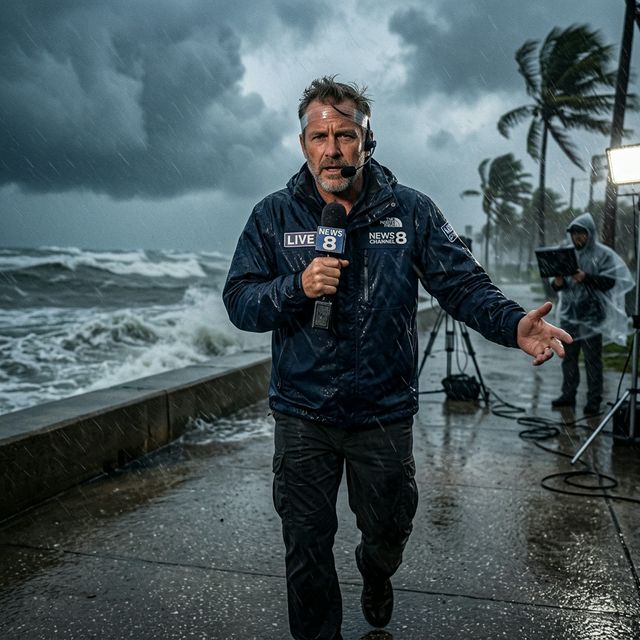
While direct hits by major hurricanes are less frequent in the Jacksonville region than in other parts of the state, tropical systems can still bring significant weather.
- Heavy rain and potential localized flooding
- Coastal flooding during high tides
- Tropical storm force winds
- Occasional storm surge in coastal communities
Coastal Impacts
Communities closer to the ocean or along the St. Johns River may experience stronger coastal impacts. These areas include:
Evacuation Zones
Coastal counties use evacuation zones to determine who should evacuate during major storms based on vulnerability to storm surge.
Residents in coastal or low-lying areas may be asked to evacuate earlier than inland communities.
Not everyone needs to evacuate. If you live inland in a sturdy home outside of a flood zone, you may only need to shelter in place.
Encourage your family to check your specific evacuation zone before hurricane season begins.
Emergency Preparedness Basics
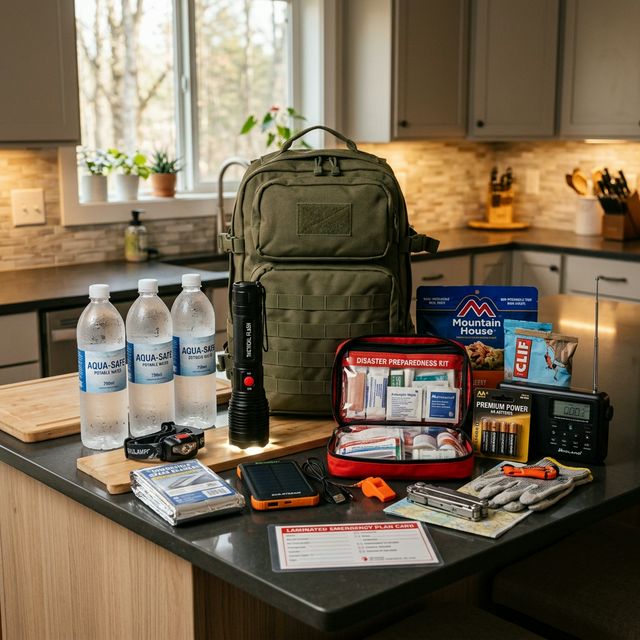
Building an emergency kit and having a plan are the best ways to ensure your family's safety and comfort during a storm.
- Emergency supply kit for at least 72 hours
- Bottled water (1 gallon per person, per day)
- Non-perishable food and manual can opener
- Flashlights and extra batteries
- Portable phone chargers and battery banks
- First aid supplies and required medications
- Important documents stored safely in waterproof containers
Residents should review emergency plans with their household before storms approach.
Monitoring Storms
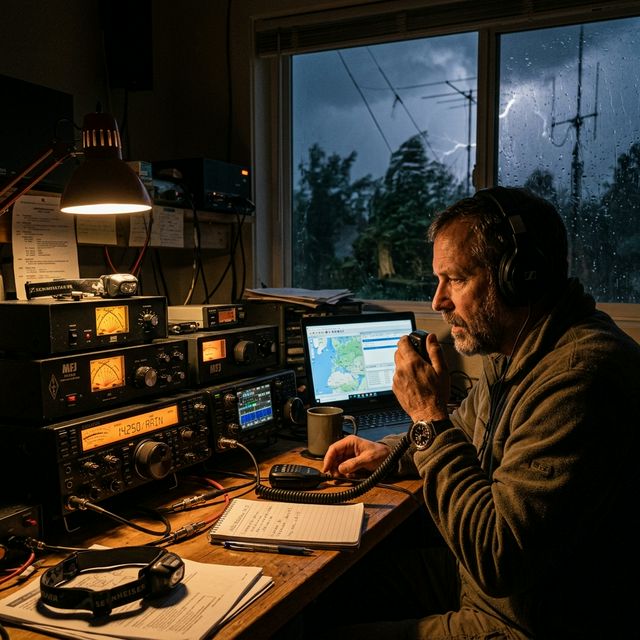
Stay informed by monitoring trusted sources during hurricane season. These agencies provide storm tracking, official forecasts, and evacuation guidance.
After the Storm
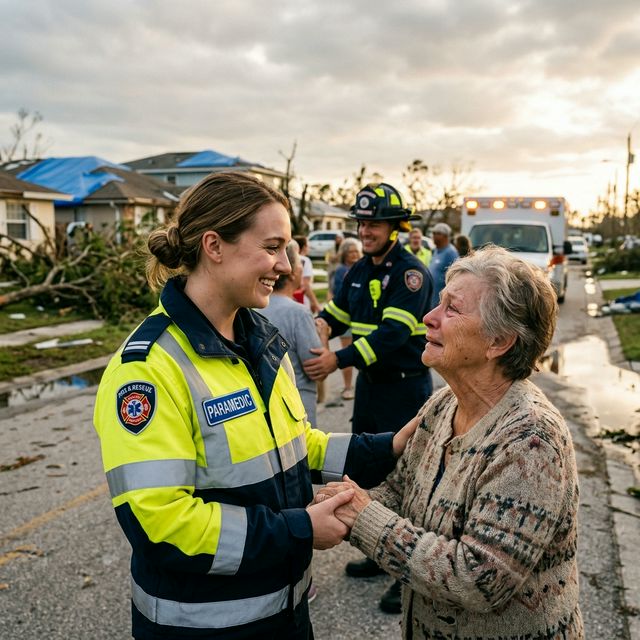
Most storms affecting Northeast Florida pass quickly, and communities typically recover rapidly thanks to robust utility and emergency response systems.
Safety First
Always follow local safety guidance after a storm passes regarding:
- Avoiding flooded roads (Turn Around, Don't Drown)
- Staying far away from downed power lines
- Safe procedures for debris cleanup